
Transparent LED Displays
Transform your windows, glass façades, and shopfronts into bright digital canvases. Our transparent LED display solutions are engineered for real‑world commercial environments, combining visual impact with reliability and flexibility.
Contact our team about Transparent LED Display options


















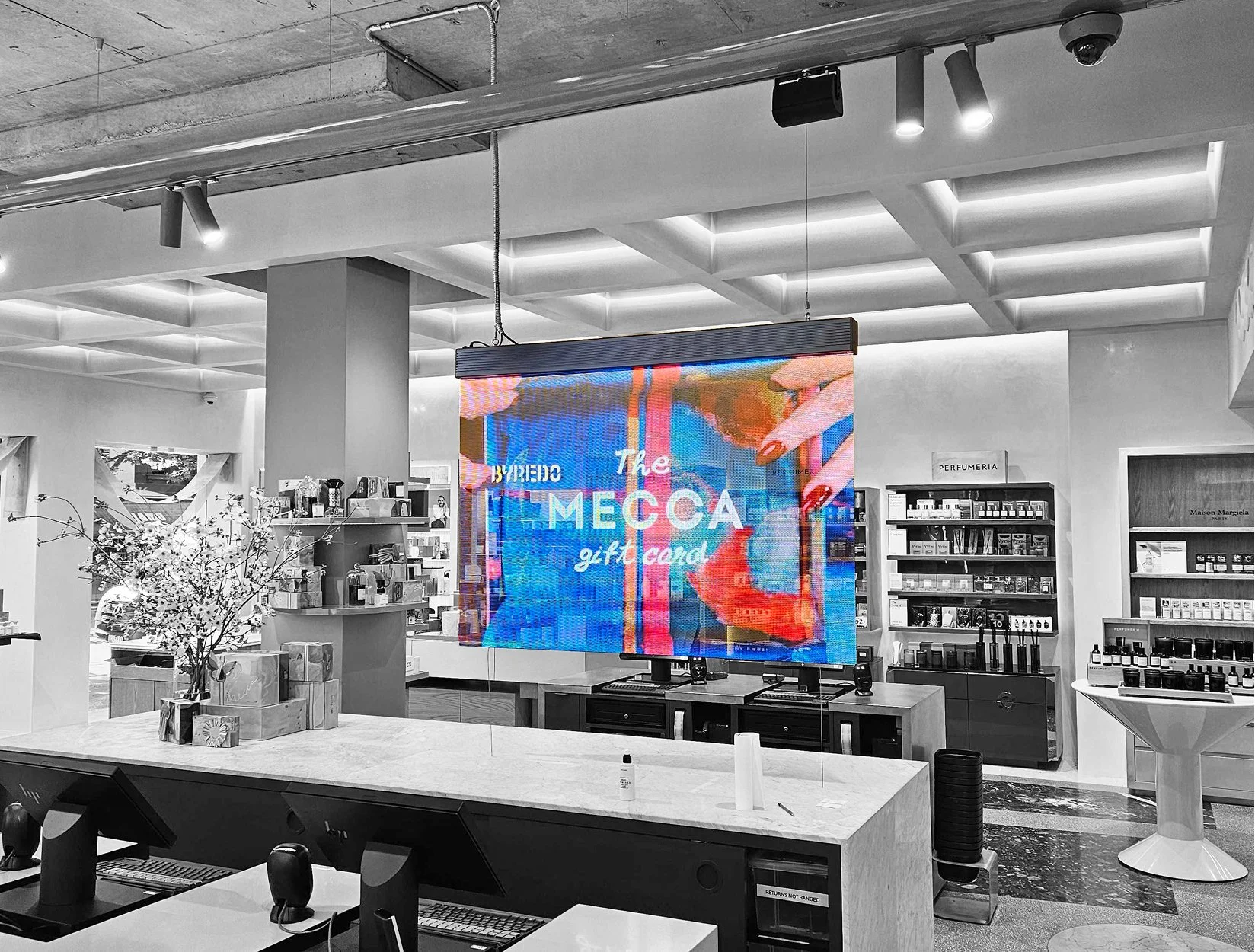
How do transparent LED Displays work?
A transparent LED display integrates ultra‑bright LEDs into slim, clear panels or strip‑style modules, leaving intentional gaps between the pixels so ambient light can pass through the screen. This design allows typical transparency levels of around 65–75%, depending on the model and pixel pitch, so your glass still looks and feels open rather than blocked off.
Each LED acts as an individual pixel, driven by a controller that plays your videos, animations and images across the see-through LED screen while the open areas between the LEDs remain visually clear. High‑refresh‑rate drivers and advanced control systems keep motion smooth and flicker‑free, even for large digital canvases viewed from close range.
Why Choose Transparent Led Screens?
Transparent LED screens let you run live digital campaigns on your shopfront windows without sacrificing natural daylight or the views that draw people inside.
The display mounts on glass, keeping your space open and welcoming. Visitors see your interior, products, and brand environment through the screen while dynamic content runs at full brightness across the surface. No other window treatment delivers both a live content layer and full visibility through the glass.
With brightness ratings from 3,000 up to 7,000 nits, the display holds up in direct sunlight, keeping your content readable throughout the day even on Perth's brightest afternoons.
Modular
Lightweight
Mounts directly onto existing glass or frames
Light structural load
Simple Install
Low maintenance
Product Features
-
High transparency
Configurations typically deliver 40–80% transparency, balancing crisp content with clear views through the glass.
-
Daylight‑visible brightness
High‑output LEDs (up to roughly 5,000–8,000 nits depending on model) ensure content remains vivid in bright ambient light.
-
Fine pixel pitch options
Multiple pixel pitches are available so you can match resolution to viewing distance, from close‑range retail windows to large‑format façades.
-
Lightweight, slim panels
Aluminium‑framed modules and strip‑style designs keep weight per square metre low, ideal for glass and suspended applications.
-
High refresh rate and smooth playback
Modern driver ICs and refresh rates around 3,840 Hz support flicker‑free video and comfortable viewing on camera and in person.
-
Flexible sizing and shapes
Modular panels in standard sizes (for example, 500×500 mm up to 1,000×1,000 mm) can be tiled to fit anything from small shop windows to multi‑storey glass walls.
-

Simple content control
Compatible controllers and CMS platforms let you schedule campaigns, push new creatives and manage playlists across one or many see through LED screens.
Recent Transparent LED Display Projects
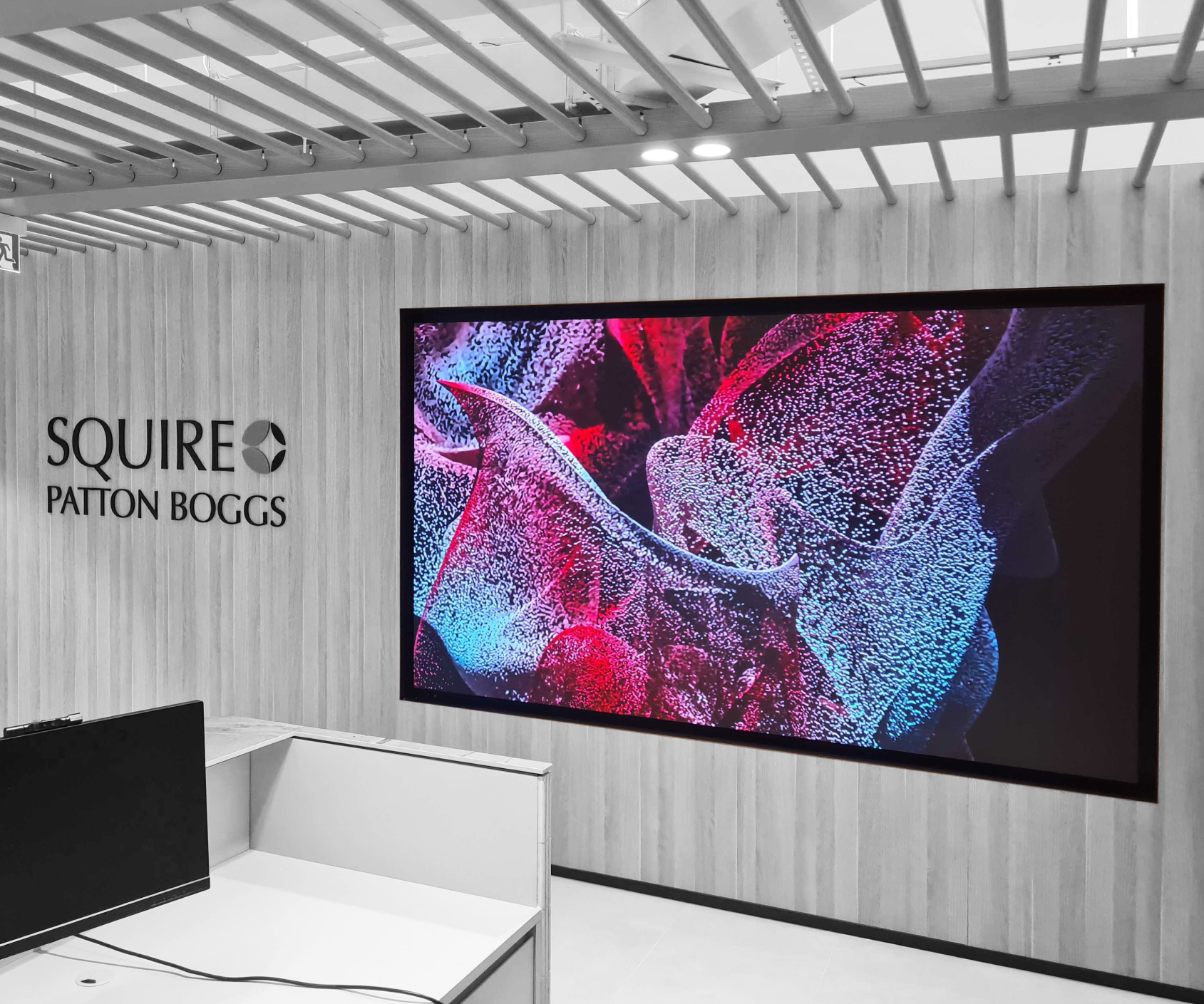

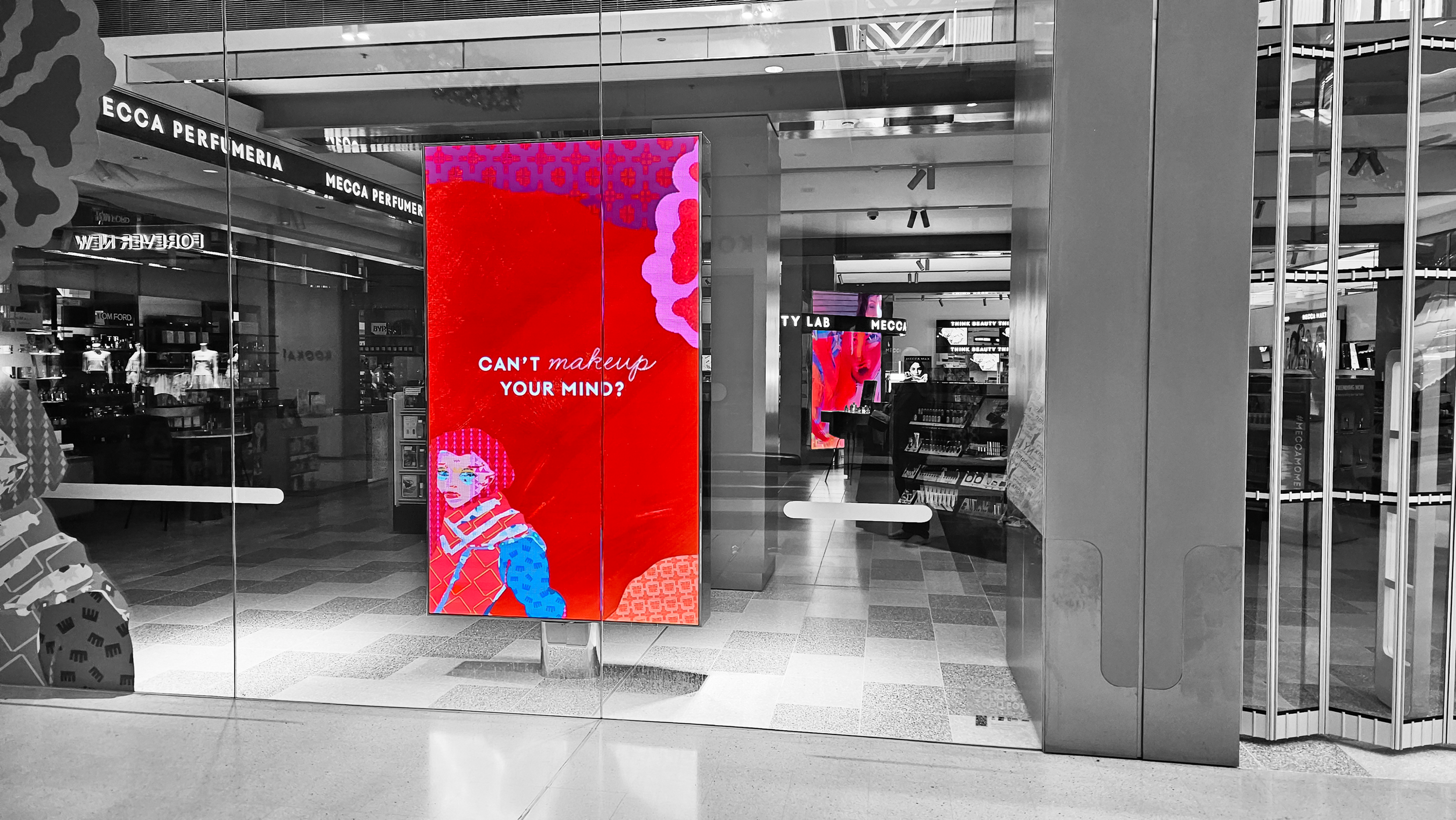
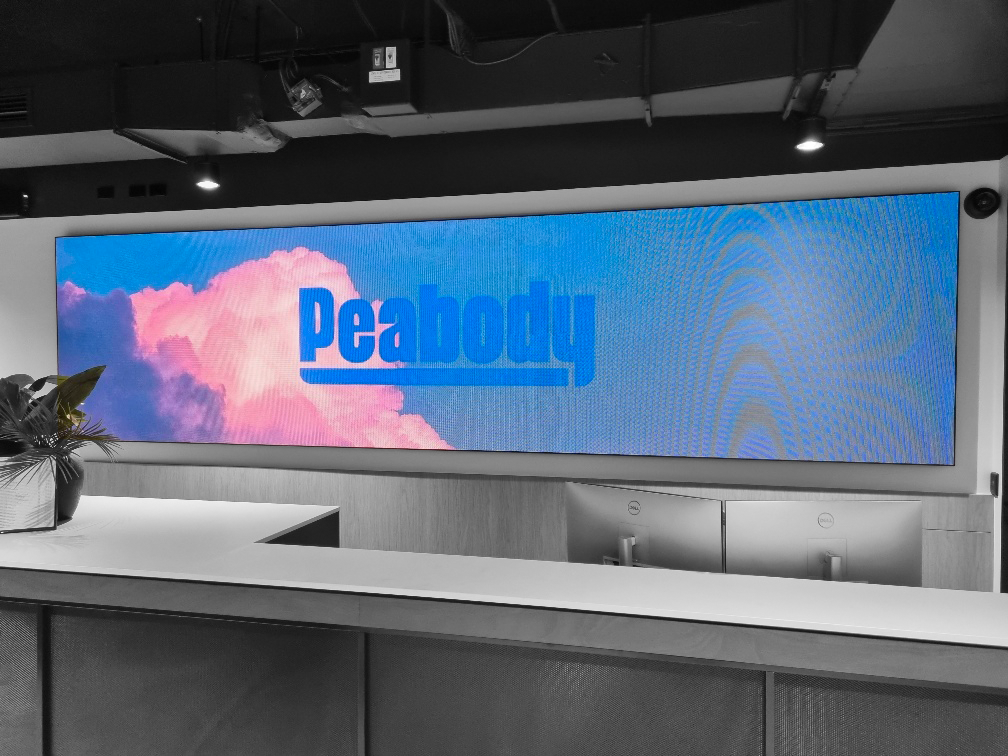

Transparent LED Technology for Every Industry
-
Corporate & Workplace
Offices, showrooms and innovation centres integrate transparent LED into reception areas, glass partitions and meeting rooms for branding, live data walls and wayfinding, while keeping a modern, open aesthetic.
-
Hospitality & Entertainment
Hotels, restaurants, bars, casinos, stadiums and arenas use see‑through LED for lobby features, menu boards, stage backdrops and VIP areas, adding visual impact without closing in the space.
-
Retail and Shopping Centre
Storefront windows, mall atriums and glass façades use transparent LED to run promotions and branding while still showing products and interiors, significantly boosting foot traffic and dwell time.
-
Automotive (and other high‑end showrooms)
Car dealerships and premium showrooms wrap glass corners and façades with transparent LED to showcase motion content and offers around the real vehicles or products on display.
-
Transport
Airports, train and metro stations, bus and ferry terminals use transparent LED on concourse glazing and façades for wayfinding, service updates and advertising while preserving sightlines and safety.
-
Exhibitions & Trade Shows
Stands and pavilions use transparent LED walls and cubes so content runs across booth edges and glass while still revealing products and people inside, making the stand visually “open” but eye‑catching.
Frequently Asked Questions About Transparent LED Displays
-
A transparent LED display uses rows of ultra‑bright LEDs mounted on slim, grid‑style strips, with open gaps between the LEDs that allow natural light and visibility to pass through the screen.
Each LED acts as a pixel; a controller sends signals to these pixels to create your images and video, while the clear spaces between them remain see‑through so people can still view what is behind the glass.
Because only a portion of the surface is covered by LEDs, the display can achieve high transparency rates (often around 65-75%) while still delivering vivid, full‑colour content on the glass.
-
LED displays come in several categories, each suited to different environments and viewing conditions.
Indoor LED displays are lighter, lower-brightness cabinets optimised for close-range viewing in retail, corporate, education, and hospitality settings.
Outdoor LED displays are weatherproof, high-brightness screens built to handle rain, dust, and direct sunlight. These are used for building façades, roadside signage, and exterior installations where durability in Australian conditions is a requirement.
Transparent LED displays mount on glass and combine dynamic digital content with high see-through rates, so viewers can take in the content and see into the space behind the glass at the same time. This makes them a strong fit for shopfronts, automotive showrooms, and commercial lobby glass.
LED film and specialty formats cover ultra-thin flexible transparent films, curved or shaped screens, and custom solutions for architectural and creative installations.
Pinnacle LED can help you identify the right display type for your site, content requirements, and budget.
-
High-quality transparent LED screens are typically rated for 80,000-100,000 hours of operation, which works out to roughly 8-11 years of continuous use under ideal conditions.
In real-world installations, most well-specified systems deliver strong performance for about 7-10 years. Actual longevity depends on brightness settings, daily operating hours, and environmental factors including heat, dust, and moisture exposure.
Good component quality, proper ventilation, and routine maintenance all contribute to maximising the usable life of your display and keeping brightness and colour consistency strong throughout.